The allure of gambling and its psychological impacts
The world of casino gambling is often characterized by its thrilling atmosphere, where vibrant lights and the sound of spinning reels create an intoxicating experience. This environment can have profound psychological effects on individuals, affecting their decision-making processes. The excitement and anticipation associated with potential wins can lead to an altered state of mind, where rational thinking is overshadowed by impulsive behaviors. Additionally, many players seek out additional benefits like a sportsbook bonus to enhance their experience further.
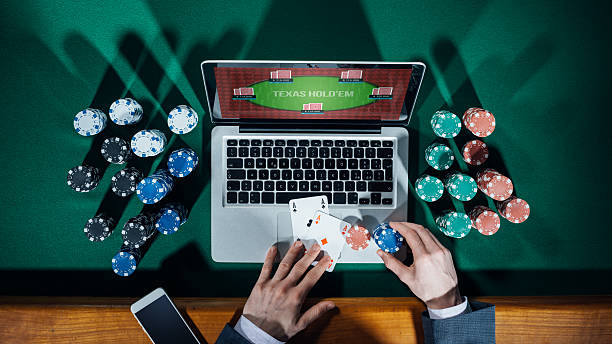
Furthermore, the allure of gambling often taps into innate psychological triggers such as reward anticipation and the pleasure derived from risk-taking. When players engage in games of chance, their brains release dopamine, the neurotransmitter associated with pleasure, further entrenching the desire to continue gambling. This cycle can distort perception, making it easier for individuals to overlook the risks involved and to make decisions driven by emotion rather than logic.
The role of cognitive biases in gambling decisions
Cognitive biases play a significant role in how individuals process information and make decisions, especially in the context of gambling. One common bias is the illusion of control, where players believe they can affect the outcome of games of chance through skill or strategy. This false sense of agency can lead to increased gambling frequency and larger bets, as individuals become more confident in their ability to win despite statistical evidence to the contrary.
Another prevalent bias is the gambler’s fallacy, where individuals mistakenly believe that past outcomes influence future results. For example, a player may think that after a series of losses, they are “due” for a win, prompting them to continue gambling in the hopes of an eventual payoff. Such biases can cloud judgment, leading to poor decision-making and financial losses.
The emotional decision-making in gambling
The interplay between emotions and decision-making in gambling cannot be overstated. High-stakes environments can trigger intense feelings of excitement, anxiety, or even despair, all of which can impact a gambler’s choices. When emotions run high, individuals may act impulsively, placing bets that are not aligned with their usual risk tolerance or financial strategies.
Moreover, emotional decisions in gambling can often lead to a cycle of chasing losses. When players experience a significant loss, they may feel compelled to continue playing in an attempt to recover their lost funds, which frequently results in escalating losses. This emotional rollercoaster not only affects the immediate gambling experience but can also have long-term repercussions on a person’s financial stability and mental health.
Social influences and peer pressure in gambling decisions
The social context of gambling can greatly influence individual decision-making. Peer pressure and the desire to fit in can lead individuals to engage in gambling behaviors they might otherwise avoid. For instance, in a group setting, the excitement and collective energy may encourage someone to gamble more than they originally intended, resulting in riskier financial decisions.
Additionally, social norms around gambling can shape perceptions of what’s acceptable behavior. In environments where heavy gambling is normalized, individuals may feel compelled to participate, even if it conflicts with their better judgment. This social dynamic not only heightens the risk of poor decision-making but can also lead to negative consequences for both personal finances and relationships.

Resources and insights on casino gambling psychology
Understanding the psychological effects of casino gambling on decision-making is crucial for individuals who want to gamble responsibly. By gaining insight into the cognitive biases, emotional influences, and social pressures that come into play, gamblers can make more informed and rational choices. Our website is dedicated to providing valuable resources and information on this intricate subject, empowering users to navigate the complexities of gambling behavior.
We strive to create an engaging platform where individuals can explore the psychological aspects of gambling, learn about responsible gambling practices, and find support if needed. Whether you are a seasoned gambler or a curious newcomer, our aim is to enhance your understanding and ultimately contribute to a healthier relationship with gaming activities.